How to Report a Cyber Crime in India: Where to Go, What to Expect
Step-by-step guide to reporting cyber crime in India. Know which authority to contact, what documents you need, and how to follow up when police are slow.
IT Act, BNS, and enforcement in India.

Step-by-step guide to reporting cyber crime in India. Know which authority to contact, what documents you need, and how to follow up when police are slow.

Stop wondering where to report fraud. Learn which Indian authority handles what, why your report matters, and what to expect when you file one.
Report cyber crime in India correctly. Know which authority to approach, what evidence to save, and why most reports fail. Real cases, real timelines, real outcomes.

Anthropic, an AI safety company, has granted the European Union's cybersecurity agency ENISA access to Mythos, an advanced AI tool designed for security research. This collaboration is part of Project Glasswing, established through partnership between the European Commission and Anthropic. The initiative aims to enhance Europe's AI security capabilities and strengthen bilateral cooperation on emerging cyber threats. ENISA will leverage the tool to conduct independent security assessments and contribute to the development of safer AI systems across the EU. Source: Securityweek.

Microsoft faced backlash after threatening legal action against a security researcher who publicly disclosed multiple zero-day vulnerabilities. The researcher, reportedly frustrated, released details of several unpatched exploits affecting Microsoft systems. The company's response indicating potential criminal charges sparked controversy within the cybersecurity community, raising questions about vulnerability disclosure practices and researcher protections. This incident highlights the tension between companies seeking to protect their systems and security professionals aiming to improve overall cybersecurity through responsible disclosure. Source: Original Article.

Microsoft has announced it will not pursue legal action against security researchers following public criticism over its handling of zero-day vulnerabilities. The decision comes after the tech giant faced backlash for its approach to researchers who discover and report previously unknown security flaws. By reversing its stance, Microsoft aims to encourage responsible disclosure of vulnerabilities, which helps improve overall cybersecurity. The move is seen as a win for the security research community, promoting collaboration between software companies and independent researchers to identify and patch security weaknesses before malicious actors can exploit them. Source: Reuters.

India faces an escalating cyber crime problem affecting individuals and organizations nationwide. Criminal activities span multiple domains including financial fraud, data theft, and identity compromise. The rise reflects both increasing internet penetration and criminals' evolving tactics. Legal frameworks exist to combat these threats, but awareness and preventive measures remain crucial for citizens. Understanding cyber crime types and protective steps is essential as digital transactions become more prevalent in Indian society. Source: Legal Service India.

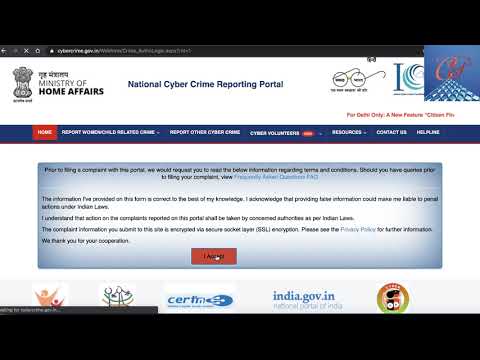
In this informative video, viewers learn about the essential steps to report a cybercrime in India using the country's online portal. The host details how the Indian government has established a dedicated platform for citizens to report various cyber offenses, ensuring their grievances are addressed systematically. The process begins with accessing the National Cyber Crime Reporting Portal, where users can choose the type of cybercrime they are encountering, such as phishing, ransomware, or identity theft. The video emphasizes the importance of gathering relevant information, such as screenshots and transaction details, to support the report. Viewers are encouraged to act swiftly, as prompt reporting can significantly aid in investigations and preventing further crimes. Additionally, the presenter highlights the support available from local law enforcement agencies, underscoring the essential role of public awareness in combating cybercrime in India.

In this episode of 'Digital Scams Alert,' the alarming rise of cybercrime in India is explored, highlighting various internet scams that have brought financial and emotional distress to many. The video emphasizes common tactics used by scammers, including phishing, where unsuspecting individuals are tricked into revealing sensitive information. Additionally, the episode delves into UPI fraud, showcasing how scammers exploit the popular digital payment system, and explains the dangers of ransomware attacks that lock victims out of their data. With examples of identity theft and investment fraud, viewers gain insights into the evolving landscape of cyber vulnerabilities. The video stresses the importance of being aware of these threats, practicing safe online behavior, and recognizing the red flags of potential scams. To protect oneself, it advises careful scrutiny of communications, secure password practices, and immediate reporting of suspicious activities to law enforcement. This educational content serves as a crucial reminder to remain vigilant in the face of increasing digital threats.

This video provides essential guidance for individuals who have fallen victim to online scams in India, focusing on the recovery of lost funds. It outlines the steps to take immediately after realizing you've been scammed, such as documenting all communications and transactions. Viewers are advised to report the incident to the Cyber Crime Cell or local police, as they play a crucial role in investigation and recovery efforts. The video also discusses the importance of informing banks and financial institutions to block any unauthorized transactions and possibly reverse them. Furthermore, it highlights the significance of reporting scams to platforms like the National Cyber Crime Reporting Portal. Lastly, the video emphasizes preventive measures, such as being vigilant against phishing attempts and securing sensitive data to avoid future incidents, ensuring viewers are better equipped against cyber fraud.

In a significant crackdown on cybercrime, Indian authorities arrested 34 individuals and identified two villages as major hotspots for cyber fraud. This operation highlights the increasing prevalence of online scams in India, particularly with the rise of digital transactions. Authorities are focusing on various types of cyber fraud, including phishing, UPI fraud, and identity theft. The crackdown serves as a reminder for citizens to stay vigilant against cyber threats and to educate themselves about safe online practices. It is crucial for Internet users to understand the tactics employed by cybercriminals, such as social engineering and malware attacks, to safeguard their personal information. Additionally, government efforts are being intensified to implement stricter laws and regulations surrounding online security, calling for collaborative action from both the public and private sectors. Awareness and proactive measures remain essential in combating cybercrime effectively and protecting oneself from potential financial losses.

lets understand stop cramming
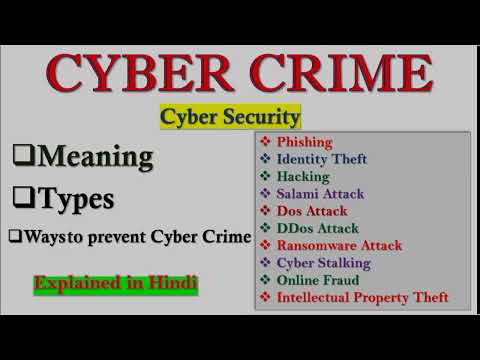
इस वीडियो में साइबर क्राइम की परिभाषा, प्रकार, और बचाव के तरीके पर विस्तार से चर्चा की गई है। साइबर क्राइम का मतलब है कोई भी अवैध गतिविधि जो कंप्यूटर, इंटरनेट या अन्य डिजिटल तकनीकों का उपयोग करके की जाती है। इसमें शामिल हैं फिशिंग, जहां अपराधी फर्जी ईमेल भेजकर लोगों से निजी जानकारी चुराते हैं। अन्य प्रकार में पहचान की चोरी, जिसमें अपराधी किसी की पहचान का दुरुपयोग करते हैं, और DDoS अटैक, जहां सिस्टम को असामान्य रूप से भीड़भाड़ में ले जाकर उसे निष्क्रिय किया जाता है। वीडियो में बताया गया है कि साइबर क्राइम के प्रति जागरूक रहना और सुरक्षा उपायों का पालन करना महत्वपूर्ण है जैसे कि मजबूत पासवर्ड का निर्माण और संदिग्ध लिंक्स पर क्लिक न करना। हाल के आंकड़ों के अनुसार, भारत में हर दिन लगभग 7000 साइबर क्राइम रिपोर्ट होते हैं, जिस पर ध्यान देना अति आवश्यक है।

In the TEDx talk 'Profiling Hackers - The Psychology of Cybercrime,' Mark T. Hoffmann delves into the motivations and psychological profiles of hackers. He explains that hackers are not just tech-savvy individuals; they often possess distinct personality traits such as high intelligence, creativity, and a desire for challenge and thrill. Hoffmann emphasizes that understanding these motivators can help us better protect ourselves against cybercrime. He also highlights that hackers may see their actions as a form of social commentary or rebellion against societal norms. The talk encourages viewers to consider proactive measures, such as enhancing digital literacy and adopting cybersecurity best practices, to mitigate the risks posed by cybercriminals. As cyber threats continue to evolve, a better understanding of the hacker mindset is vital for individuals and organizations in India to safeguard their digital spaces effectively.