
Phishing
CyberSathi Desk
Why Your Email Is Worthless Without This One Check
Stop falling for phishing emails. A seasoned Indian cyber-crime observer shares the one habit that actually works—and why banks won't tell you.
Email, SMS, and voice-based deception attacks.
Stop falling for phishing emails. A seasoned Indian cyber-crime observer shares the one habit that actually works—and why banks won't tell you.

How online banking fraud works in India. Real cases. Why bank safeguards fail. What actually protects your money — with steps you must take today.

A practitioner's guide to online banking fraud in India. How scammers drain accounts, why banks fail victims, and what actually works to protect yourself.

Phishing works because it exploits how your brain works, not your carelessness. Real prevention starts with understanding why smart people fall for it.

A practitioner's guide to phishing psychology. Why smart people fall for fake emails, and the five habits that actually work to keep you safe.
A real account of how online banking fraud works in India. Learn the tactics scammers use, where banks fail, and five concrete steps to protect your account today.

State Bank of India has issued a warning against scammers sending fraudulent SMS and messages to customers, falsely claiming their YONO mobile banking application will be deactivated. These phishing messages typically direct users to click malicious links or provide sensitive banking credentials. Cybercriminals use urgency tactics to trick users into compromising their accounts. SBI advises customers never to click links in unsolicited messages, never share OTPs or passwords, and to verify communications directly through official SBI channels. Users should report suspicious messages to SBI's customer support immediately. Source: CyberSecurityNews.

Grand Island authorities have alerted residents to a fraudulent email scam impersonating the local planning commission. Cybercriminals are sending deceptive emails to trick recipients into clicking malicious links or revealing sensitive information. Officials urge the public to verify email authenticity by contacting the planning commission directly through official channels before responding to unexpected messages. Residents should avoid clicking suspicious attachments or links and report suspected phishing attempts to authorities. This type of social engineering attack commonly targets government agencies and citizens. Source: KSBN Local 4.

The FBI has issued a warning about an active phishing scam targeting Microsoft 365 account users. Cybercriminals are using fraudulent emails designed to appear legitimate, attempting to trick users into revealing their login credentials and sensitive information. Once compromised, attackers can gain unauthorized access to personal and corporate data. The FBI advises users to verify sender email addresses carefully, avoid clicking suspicious links, and enable multi-factor authentication on their accounts. Organizations should educate employees about recognizing phishing attempts and implement robust email security measures. Reporting suspected phishing attempts to the FBI's Internet Crime Complaint Center (IC3) is recommended. Source: Fox 10 Phoenix.

India's Press Information Bureau (PIB) has warned citizens against fraudulent emails claiming to be from the Reserve Bank of India offering lottery winnings or inheritance claims. These messages are scams designed to deceive recipients into revealing personal and financial information or making payments. Scammers impersonate RBI officials to appear legitimate. Citizens receiving such emails should immediately delete them without clicking any links or providing information. The PIB advises reporting suspicious communications to relevant authorities. The RBI does not conduct lotteries or send unsolicited inheritance notifications via email. Stay vigilant and verify any official communication directly through RBI's official website or helpline before responding. Source: Business Standard.
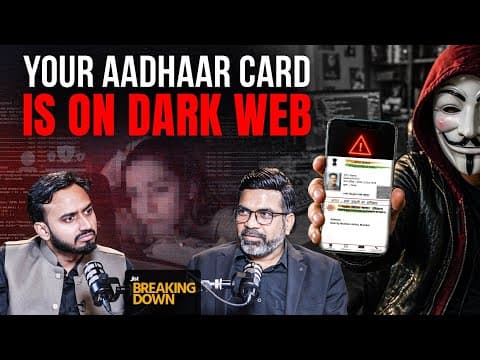
In the video, 'The Hidden World of Cyber Scams,' hosts Amit Dubey and Mukul delve into the various tactics used by cybercriminals to exploit unsuspecting victims. They emphasize the prevalence of phishing scams, where attackers impersonate trusted entities to steal personal information, and the increasing risks of UPI fraud, particularly in digital payment scenarios that are common in India. The discussion touches on social engineering techniques that manipulate individuals into revealing sensitive information. Additionally, the hosts highlight the dangers of identity theft, where personal data is misused for fraudulent activities. The video serves as a vital educational resource, encouraging viewers to remain vigilant and adopt best practices, such as verifying sources, avoiding unsolicited messages, and regularly monitoring financial accounts. It's essential to foster an understanding of these scams to protect oneself from falling prey to the deceptive tactics often utilized in the digital world.

In the video 'Your OTP Is Not Safe', Amit Dubey discusses the vulnerabilities surrounding One-Time Passwords (OTPs) and their implications for bank accounts, Gmail, and personal photos. He emphasizes that OTPs are frequently targeted by cybercriminals through phishing attacks and social engineering tactics. The speaker warns that sharing OTPs, even with seemingly trustworthy sources, can lead to identity theft and unauthorized access to sensitive information. Additionally, he highlights the importance of safeguarding personal information and using two-factor authentication whenever possible. Dubey provides practical safety tips, such as verifying the authenticity of messages requesting OTPs, using strong passwords, and regularly monitoring bank statements for any unusual transactions. The video serves as a crucial reminder for Indian viewers about the potential dangers of sharing OTPs and the steps they can take to enhance their online security.
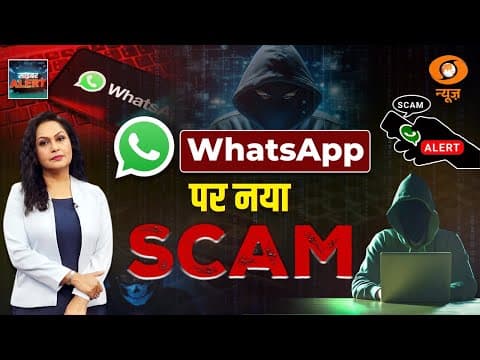
इस वीडियो में Mamta Chopra ने WhatsApp पर बढ़ते विभिन्न स्कैम्स के बारे में चर्चा की है। उन्होंने बताया कि कैसे साइबर अपराधियों ने नए तरीके अपनाए हैं, जैसे कि फिशिंग, जिससे उपयोगकर्ताओं की व्यक्तिगत जानकारी चुराई जा सकती है। दर्शकों को सावधान रहने और किसी भी अनजान संदेश के लिंक पर क्लिक न करने की सलाह दी गई है। वीडियो में कुछ सामान्य स्कैम्स की जानकारी दी गई है, जैसे अवैध लॉटरी, मदद के बहाने व्यक्तिगत विवरण मांगना, और फर्जी नौकरी के प्रस्ताव। विद्वेषपूर्ण ऐप्स के इस्तेमाल से बचने की दिशा में भी सुझाव दिए गए हैं, जो उपयोगकर्ताओं की डिवाइस में मैलवेयर डाल सकते हैं। Mamta ने इस बात पर भी जोर दिया कि बचाव के लिए हमेशा अपने ऑनलाइन खातों की सुरक्षा जांचें और मजबूत पासवर्ड सेट करें। इस प्रकार, दर्शकों को जागरूक रहकर साइबर धोखाधड़ी से बचने का महत्वपूर्ण संदेश मिलता है।
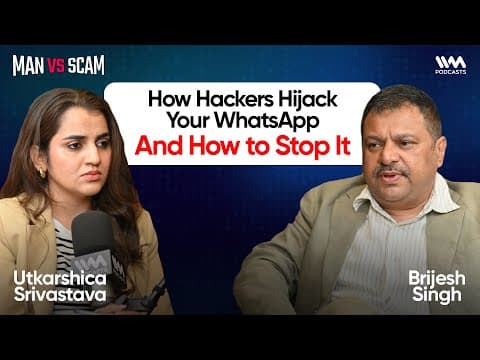
In this insightful video from Man vs Scam, viewers are alerted to a common mistake that can lead to their WhatsApp accounts being hacked. The host explains how unsuspecting users can fall prey to phishing scams that involve deceptive messages or links, encouraging them to share sensitive information. One of the main takeaways is the importance of verifying the source of any message before clicking on links or providing personal data. The video also emphasizes the need for enabling two-factor authentication on WhatsApp, which adds an extra layer of security to prevent unauthorized access. Additionally, the host discusses how awareness and caution in evaluating messages can significantly reduce the likelihood of falling victim to such scams. Indian users are specifically advised to stay informed about prevailing scam tactics and to educate their friends and family to prevent widespread vulnerability. Overall, the video serves as a crucial reminder to prioritize online security and remain vigilant against social engineering tactics that target WhatsApp users.
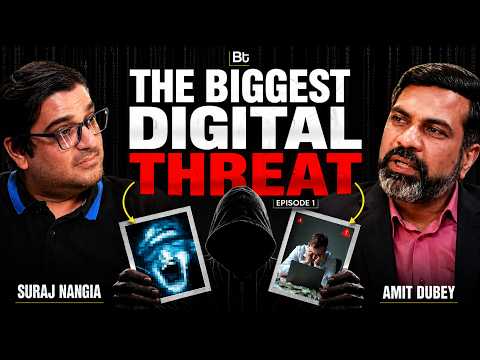
In the first episode of the series, Amit Dubey delves into the pressing issue of AI deepfakes and their implications for cybercrime in India. The video highlights how advanced AI technologies can create highly convincing fake audio and video content, which criminals exploit for scams, misinformation, and identity theft. Dubey explains the connection between deepfakes, the dark web, and various cyber threats faced by individuals and organizations. He warns about the rising trend of cyber attacks that employ deepfake technology to deceive victims, emphasizing the importance of vigilance and education to combat these threats. The episode also addresses how these technologies are used in social engineering scams and can result in devastating financial losses. Finally, Dubey encourages viewers to stay informed and adopt best practices for online safety, reinforcing the need for robust cyber laws in India to counteract these evolving digital dangers.
SANSKRITI IAS
हाल ही में WhatsApp पर एक नया घोस्ट पेयरिंग स्कैम सामने आया है, जिसमें हैकर्स एक लिंक के माध्यम से आपके अकाउंट तक पहुंच बना सकते हैं। इस स्कैम के अंतर्गत, आपको किसी जानने वाले या अज्ञात व्यक्ति से एक संदिग्ध लिंक भेजा जा सकता है। यदि आप उस लिंक पर क्लिक करते हैं, तो आपका व्यक्तिगत डाटा बिना किसी OTP या अनुमति के चुरा लिया जाएगा। भारत के साइबर सुरक्षा संगठन सीईआरटी-इन के अनुसार, यह प्रक्रिया बेहद सरल है और कई कंपनियों और व्यक्तियों को इसका शिकार बनाया जा रहा है। इसलिए, किसी भी अनजान लिंक पर क्लिक करने से बचें, चाहे वह किसी जानने वाले से हो या न हो। अपनी व्यक्तिगत जानकारी की सुरक्षा करना आपका प्राथमिक कर्तव्य है। हमेशा सतर्क रहें और अपने डेटा को सुरक्षित रखने के लिए अलर्ट रहें।