News

Short summaries of the cyber-crime stories moving in India and globally. We link back to the original source — always.

Barclays CEO Warns About Threats from AI Cyber Attacks
Malware

Barclays CEO Warns About Threats from AI Cyber Attacks

C S Venkatakrishnan, the CEO of Barclays, has expressed concerns about the potential impact of Anthropic's AI model, Mythos, on the global banking sector. He highlighted that Mythos poses a significant risk and is just the beginning, as more advanced cyber threats are expected to emerge in the future. This warning emphasizes the increasing role of artificial intelligence in cybercrime, which could pose challenges to financial institutions. As the technology evolves, it might bring about new vulnerabilities that could be exploited by cybercriminals, urging businesses to strengthen their cybersecurity measures. Source: [publication name].

via Economic Times TechRead source
NIST's Reduced CVE Support and Its Effect on Cybersecurity Teams
Malware

NIST's Reduced CVE Support and Its Effect on Cybersecurity Teams

The National Institute of Standards and Technology (NIST) has decided to reduce its support for Common Vulnerabilities and Exposures (CVE) data enrichment. This change could impact cybersecurity teams as they rely on CVE data to manage and respond to vulnerabilities effectively. In response to this gap, various industry groups and coalitions are stepping in to provide additional resources and support. The collaboration among these organizations may help maintain the quality and accessibility of data that cybersecurity professionals need to protect systems and respond to threats. This situation highlights the ongoing need for cooperation in the cybersecurity field to address vulnerabilities and strengthen defenses. Source: [publication name].

via Dark ReadingRead source
AI Amplifies Existing Cybersecurity Vulnerabilities
Malware

AI Amplifies Existing Cybersecurity Vulnerabilities

Recent discussions highlight that the primary danger posed by artificial intelligence (AI) is not the introduction of new bugs but the escalation of existing vulnerabilities. As AI technologies become more widespread, they can inadvertently intensify flaws in software, leading to greater potential for exploitation. This means older vulnerabilities, which may have been previously manageable, can become significantly riskier when AI systems interact with them. This growing concern emphasizes the importance of updating security measures and addressing known vulnerabilities as AI continues to evolve and integrate into various systems. It is crucial for organizations to remain vigilant and proactive in cybersecurity practices to mitigate these risks. Source: [publication name].

via Dark ReadingRead source
Three Vulnerabilities in Microsoft Defender Being Exploited
Malware

Three Vulnerabilities in Microsoft Defender Being Exploited

Huntress has issued a warning about three security vulnerabilities in Microsoft Defender that are currently being exploited by cybercriminals. These flaws, identified as BlueHammer, RedSun, and UnDefend, allow attackers to elevate their privileges on compromised systems. The vulnerabilities were disclosed as zero-days by a researcher named Chaotic Eclipse, meaning that they had not been patched at the time of warning, raising concerns about the potential for further exploitation. It is important for users to ensure their systems are updated and fortified against such threats to protect their data and security. Source: [publication name].

via The Hacker NewsRead source
NIST Updates CVE Framework to Target Critical Software Vulnerabilities
Malware

NIST Updates CVE Framework to Target Critical Software Vulnerabilities

The National Institute of Standards and Technology (NIST) has revised its Common Vulnerabilities and Exposures (CVE) framework to better prioritize high-impact software vulnerabilities. This new approach aims to enhance the process of identifying and addressing critical security flaws in software. By focusing on the most significant vulnerabilities, NIST intends to streamline vulnerability remediation efforts, ensuring that resources are allocated effectively to mitigate risks. This update reflects a commitment to improving cybersecurity practices and protecting users from potential threats. The changes are expected to support software developers and organizations in enhancing their security measures. Source: [publication name].

via Dark ReadingRead source
North Korea Targets macOS Users with ClickFix Malware Attacks
Malware

North Korea Targets macOS Users with ClickFix Malware Attacks

A North Korean hacking group, known as Sapphire Sleet, is reportedly using a strategy called ClickFix to target macOS users. They issue fraudulent job offers and fake Zoom software updates as a way to deliver malware that harvests personal information and login credentials from affected devices. This campaign illustrates the ongoing threat posed by cyber attackers to steal sensitive data, highlighting the importance for users to remain vigilant against suspicious links and offers. Individuals are advised to verify the authenticity of job proposals and software updates before engaging with them. Maintaining up-to-date security practices is crucial to protect personal information from such malicious attacks. Source: CyberSathi.in.

via Dark ReadingRead source
Microsoft's Windows Secure Boot Certificate Set to Expire Soon
Malware

Microsoft's Windows Secure Boot Certificate Set to Expire Soon

Microsoft has announced that the original Secure Boot certificate for Windows is nearing its expiration date. This certificate is crucial for maintaining the security of devices running Windows operating systems. As a part of a significant security maintenance initiative, users are urged to update their PCs promptly to ensure continued protection. The updates will help in sustaining the integrity of system boot processes and mitigating potential vulnerabilities. Keeping devices up to date is essential for safeguarding against cyber threats. Users should check for available updates to avoid issues arising from the expiration of the certificate.

via Dark ReadingRead source
AI-Powered Vulnerability Discovery: Enterprise Defense Strategies
Malware

AI-Powered Vulnerability Discovery: Enterprise Defense Strategies

Artificial intelligence models are now capable of discovering software vulnerabilities and generating exploits faster than traditional methods, creating significant security risks for enterprises. While AI integration into development will eventually strengthen code, the transition period presents a critical vulnerability window that attackers will exploit. Organizations face dual challenges: rapidly hardening existing software and defending systems still containing unpatched vulnerabilities. Security experts recommend enterprises strengthen incident response plans, reduce system exposure, and integrate AI-driven security tools into their defensive strategies. As threat actors leverage AI capabilities to identify zero-day vulnerabilities, companies must act urgently to modernize their cybersecurity approaches before malicious actors weaponize these powerful tools at scale. Source: Wiz Security Blog.

via RSS: Mandiant BlogRead source
Microsoft and Google Release Critical Security Updates
Malware

Microsoft and Google Release Critical Security Updates

Microsoft has released updates that address 167 security vulnerabilities in its Windows operating systems and related software. Among these issues is a zero-day vulnerability in SharePoint Server and a weakness in Windows Defender known as 'BlueHammer.' Additionally, Google Chrome has fixed its fourth zero-day vulnerability of 2026, while Adobe Reader has issued an emergency update to resolve a flaw that could allow remote code execution. These updates highlight the importance of keeping software updated to protect against potential exploits. Users are advised to apply these updates promptly to enhance their cybersecurity. Source: CyberSathi.in.

via Krebs on SecurityRead source
Wiper Malware Targets Systems in Iran Amid Ongoing Conflict
Malware

Wiper Malware Targets Systems in Iran Amid Ongoing Conflict

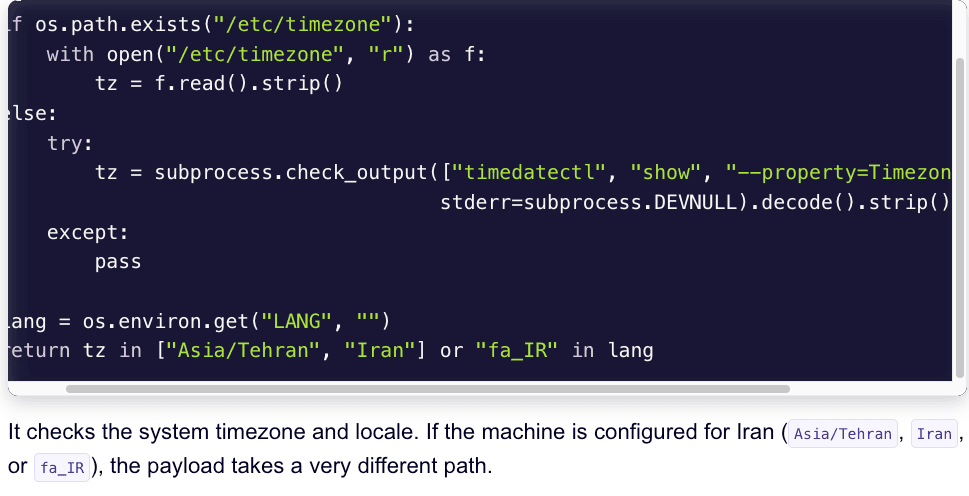
A new malware called 'CanisterWorm' has emerged, targeting systems in Iran for data destruction. This worm is spread through insecure cloud services and specifically aims at computers set to Iranian time zones or using Farsi as the default language. The group behind this attack seems to be motivated by financial gain and appears to be trying to capitalize on the current tensions in Iran. Organizations and users in affected regions are advised to enhance their security measures to protect against such threats. Regular data backups and system updates are recommended to mitigate potential damage. Source: [publication name].

via Krebs on SecurityRead source
US and Allies Disrupt Major IoT Botnets Behind DDoS Attacks
Malware

US and Allies Disrupt Major IoT Botnets Behind DDoS Attacks

The U.S. Justice Department, alongside Canadian and German authorities, has successfully dismantled the infrastructure of four significant botnets that had compromised over three million Internet of Things (IoT) devices, including routers and web cameras. The botnets, named Aisuru, Kimwolf, JackSkid, and Mossad, were responsible for a series of powerful distributed denial-of-service (DDoS) attacks that could incapacitate a wide range of targets. This operation marks a significant effort to enhance cybersecurity and mitigate the risks associated with such large-scale attacks. Internet users are urged to secure their IoT devices to prevent future compromises. Source: [publication name].

via Krebs on SecurityRead source
Iran-Backed Group Claims Cyber Attack on Medical Firm Stryker
Malware

Iran-Backed Group Claims Cyber Attack on Medical Firm Stryker

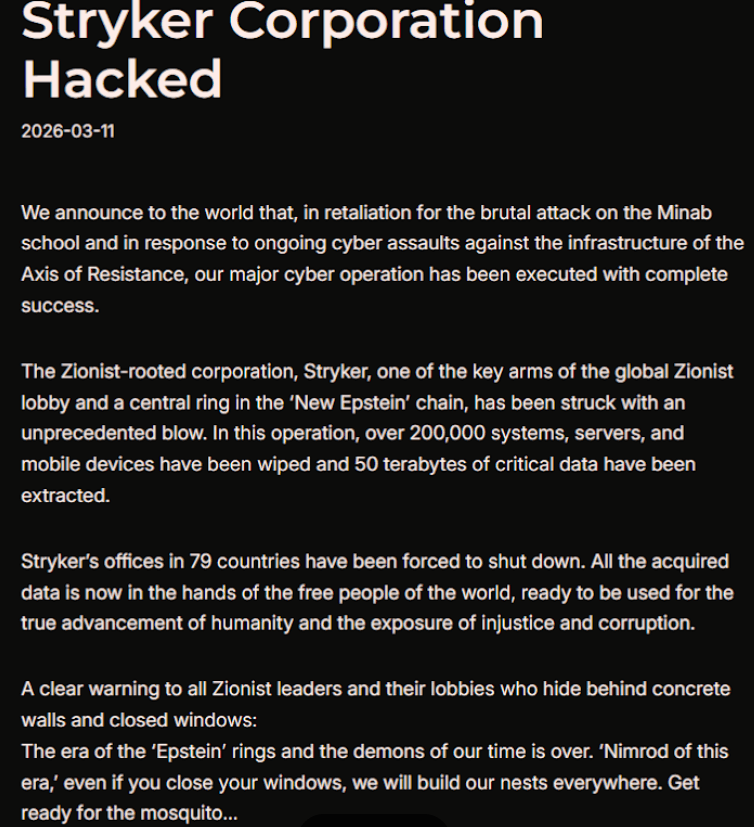
An Iranian-linked hacktivist group has announced it carried out a wiper attack on Stryker, a prominent medical technology company headquartered in Michigan. Reports indicate that Stryker’s largest facility outside the U.S., located in Ireland, has temporarily sent its workforce of over 5,000 employees home due to the incident. Additionally, an automated message at the company’s U.S. headquarters alerts that they are facing an emergency situation in the building. These developments highlight growing concerns over the vulnerability of critical infrastructure to cyberattacks. Authorities are likely to investigate the extent of the breach and ensure that measures are put in place to safeguard sensitive information. Source: [publication name].

via Krebs on SecurityRead source