Videos

Hand-picked YouTube videos on cyber-crime, each with an AI summary and chapter timestamps.

What is Social Engineering? How Most People Get Fooled by It - A to Z Full Guide
Social Engineering

What is Social Engineering? How Most People Get Fooled by It - A to Z Full Guide

The video explains the concept of social engineering, a manipulation technique used by cybercriminals to deceive individuals into divulging confidential information. It emphasizes that social engineering exploits human psychology rather than technical vulnerabilities, making it particularly insidious. Viewers learn about various tactics employed in social engineering, including phishing, which is one of the most common methods where attackers impersonate trusted entities to lure victims into sharing sensitive data. The video highlights real-life examples, demonstrating how even the most cautious individuals can be tricked. It also provides practical tips for recognizing social engineering attempts, such as questioning unsolicited requests for personal information and verifying the identity of callers or emails. The key takeaway is that awareness and skepticism are crucial in protecting oneself from social engineering attacks, thereby safeguarding personal and financial information. This guide serves as an essential resource for individuals in India to better understand and defend against this prevalent threat in the digital landscape.


Profiling Hackers - The Psychology of Cybercrime | Mark T. Hoffmann | TEDxHHL
Cyber Law (India)

Profiling Hackers - The Psychology of Cybercrime | Mark T. Hoffmann | TEDxHHL

In the TEDx talk 'Profiling Hackers - The Psychology of Cybercrime,' Mark T. Hoffmann delves into the motivations and psychological profiles of hackers. He explains that hackers are not just tech-savvy individuals; they often possess distinct personality traits such as high intelligence, creativity, and a desire for challenge and thrill. Hoffmann emphasizes that understanding these motivators can help us better protect ourselves against cybercrime. He also highlights that hackers may see their actions as a form of social commentary or rebellion against societal norms. The talk encourages viewers to consider proactive measures, such as enhancing digital literacy and adopting cybersecurity best practices, to mitigate the risks posed by cybercriminals. As cyber threats continue to evolve, a better understanding of the hacker mindset is vital for individuals and organizations in India to safeguard their digital spaces effectively.

Cybercrime, Deepfakes, Ai Scams & WhatsApp Ban : India’s Cybercrime Epidemic Explained
Cyber Law (India)

Cybercrime, Deepfakes, Ai Scams & WhatsApp Ban : India’s Cybercrime Epidemic Explained

The video explores the alarming rise of cybercrime in India, specifically focusing on issues like deepfakes, AI scams, and the recent WhatsApp ban due to security concerns. It reveals how deepfake technology is exploited for misinformation, identity theft, and creating false narratives. The discussion then transitions to various AI-driven scams that deceive users by mimicking trusted entities. Attention is also drawn to the burgeoning threat of UPI fraud, where scammers exploit the digital payment system to steal money. The video emphasizes the significance of being vigilant against phishing attempts and the danger posed by data breaches, urging viewers to secure their personal information. Recommendations for safer digital habits are provided, making it essential for Indians to stay informed about these cyber threats to protect themselves effectively. Awareness is key in combating this growing cybercrime epidemic.

The Dark Web Truth | Saakshar Duggal Exposes AI Ethics, Scams, Deepfakes & Data Leaks | EP-96
Dark Web

The Dark Web Truth | Saakshar Duggal Exposes AI Ethics, Scams, Deepfakes & Data Leaks | EP-96

In this episode, Saakshar Duggal delves into the shadowy realm of the Dark Web, unveiling its significant implications for cybersecurity. He discusses various unethical practices prevalent in this hidden part of the internet, such as scams, data leaks, and the manipulation of AI technologies like deepfakes. The video emphasizes the ethical concerns surrounding artificial intelligence and how it can be exploited on the Dark Web for malicious intent. Furthermore, Duggal highlights the risks associated with personal data breaches and identity theft, which have been exacerbated by widespread access to the Dark Web. He advises viewers to be vigilant about their online presence and the potential threats of social engineering attacks. This insightful session serves as a crucial reminder for Indian users about the importance of cybersecurity awareness and the need to safeguard their information against emerging cyber threats.

Beware of This OTP Mobile Hacking Trick With Just a Missed Call| Amit Dubey Podcast | Cyber Security
Social Engineering

Beware of This OTP Mobile Hacking Trick With Just a Missed Call| Amit Dubey Podcast | Cyber Security

In the latest episode of the Amit Dubey Podcast, the discussion centers around a new hacking technique involving a missed call that targets One-Time Passwords (OTPs). The video explains how cybercriminals can exploit the missed call method to gain unauthorized access to personal accounts, particularly banking and financial applications. When a user receives a missed call from an unknown number and then inadvertently calls back, it can lead to a series of events that compromise their OTPs. This technique is part of a broader trend in social engineering attacks, where attackers manipulate human psychology to steal sensitive information. The podcast emphasizes the importance of being vigilant and cautious about sharing personal details and staying informed about the latest cyber threats. Viewers are encouraged to never share OTPs over calls and to verify any unexpected calls relating to financial transactions. Overall, it serves as a crucial reminder to prioritize cybersecurity and adopt safe practices in the digital age to protect against such deceptive tactics.

EXPOSED Online Scams, Deepfake Video, Darkweb & Frauds | Dr. Rakshit Tandon on Apprisers
Social Engineering

EXPOSED Online Scams, Deepfake Video, Darkweb & Frauds | Dr. Rakshit Tandon on Apprisers

In this insightful video, cybersecurity expert Dr. Rakshit Tandon discusses the rise of online scams and frauds in the digital era. He highlights critical issues such as phishing attacks, where scammers trick individuals into providing personal information, and ransomware attacks that lock users out of their data until a ransom is paid. The video sheds light on the dangers of deepfake technology, which can be misused for deceptive purposes, and the hidden threats lurking within the dark web, where illegal activities thrive. Dr. Tandon emphasizes the importance of digital literacy and awareness to protect oneself from identity theft and fraud. He also touches on the rise of UPI fraud in India, where fraudsters exploit the digital payment system. To ensure safety, Dr. Tandon advocates for robust cyber hygiene practices and understanding the basics of cybersecurity, including recognizing social engineering tactics. Overall, the video serves as a wake-up call for viewers to remain vigilant and informed about the myriad of cyber threats that could impact their personal security.

हैकर्स की नई ट्रिक, बचने का एक तरीका | Cyber Crime Investigator Amit Dubey | Whatsapp Hacked | SKT
Social Engineering

हैकर्स की नई ट्रिक, बचने का एक तरीका | Cyber Crime Investigator Amit Dubey | Whatsapp Hacked | SKT

इस वीडियो में साइबर क्राइम विशेषज्ञ अमित दुबे हैकर्स की नई रणनीतियों पर चर्चा करते हैं, जो व्हाट्सएप यूजर्स को निशाना बना रही हैं। वे बताते हैं कि कैसे हैकर्स सोशल इंजीनियरिंग तकनीकों का उपयोग कर यूजर्स की जानकारी चुराते हैं और उनके अकाउंट तक पहुंच प्राप्त करते हैं। वीडियो में आपके व्हाट्सएप अकाउंट की सुरक्षा बढ़ाने के लिए कुछ उपयोगी टिप्स साझा किए गए हैं। अमित दुबे व्याख्या करते हैं कि अलर्ट रहना कितना महत्वपूर्ण है, खासकर ऐसे समय में जब फिशिंग अटैक्स तेजी से बढ़ रहे हैं। यह ध्यान रखना चाहिए कि किसी भी लिंक या संदेश पर बिना सोच-विचार के क्लिक न करें। इसके अलावा, दो-चरणीय सत्यापन लागू करना और संदेहास्पद नंबरों से संपर्क न करना भी सलाह दी गई है। समग्र रूप से, यह वीडियो दर्शकों को जागरूक करने का प्रयास करता है कि कैसे वे अपने ऑनलाइन अकाउंट की सुरक्षा कर सकते हैं और हैकिंग के नए तरीकों से बच सकते हैं।

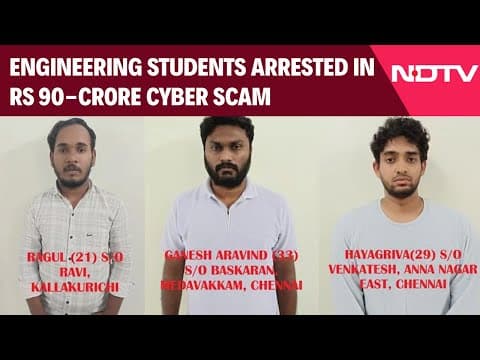
Puducherry News | Engineering Students Arrested In Rs 90-Crore Cyber Scam In Puducherry
Phishing

Puducherry News | Engineering Students Arrested In Rs 90-Crore Cyber Scam In Puducherry

In a shocking incident from Puducherry, a group of engineering students has been arrested for their involvement in a massive Rs 90-crore cyber scam. The scam mainly revolved around sophisticated phishing techniques aimed at deceiving individuals into providing sensitive financial information. The arrested individuals allegedly established a fake company that lured investors with unrealistically high returns, thereby facilitating fraudulent transactions through various online platforms. This incident highlights the increasing trend of cyber crimes among young individuals, underscoring the necessity for enhanced cybersecurity awareness among students. The authorities have urged the public to remain vigilant and informed about potential scams, particularly related to investment offers that appear too good to be true. Additionally, the case serves as a reminder for educational institutions to incorporate cybersecurity education into their curricula, fostering a safer digital environment for everyone. Families are also encouraged to discuss online safety with their children to protect them from becoming victims or even perpetrators of such scams.

CBI unfolds Crypto Scam in India #crypto
Phishing

CBI unfolds Crypto Scam in India #crypto

In a recent investigation, the Central Bureau of Investigation (CBI) uncovered a significant cryptocurrency scam operating in India. This scam involved fraudulent schemes luring unsuspecting investors into investing in fake cryptocurrency platforms promising high returns. The perpetrators used sophisticated marketing tactics and social media to attract victims, emphasizing the importance of vigilance in the crypto space. The authorities revealed that these scams often exploit the lack of awareness and understanding of cryptocurrency among potential investors. The CBI's efforts highlight the need for individuals to conduct thorough research before investing in any financial scheme, especially in the volatile world of cryptocurrencies. Awareness of common red flags, such as guaranteed returns and lack of transparency, is crucial for preventing financial losses. This incident serves as a wake-up call, urging Indians to enhance their knowledge about cryptocurrency scams and the precautions necessary to protect their hard-earned money in the digital age.

Cyber crime exposed: Digital arrest, OTP scams, password leak
Social Engineering

Cyber crime exposed: Digital arrest, OTP scams, password leak

The video 'Cyber crime exposed: Digital arrest, OTP scams, password leak' dives into the alarming rise of cyber crimes in the digital age, focusing on various tactics employed by cybercriminals. It highlights how One-Time Password (OTP) scams are increasingly targeting individuals, leading to unauthorized access to sensitive financial information. Viewers are educated on the common techniques used in these scams, such as social engineering, where attackers manipulate victims into sharing personal details. The video also discusses the serious ramifications of password leaks and the importance of maintaining strong password hygiene to safeguard against identity theft and data breaches. Additionally, it outlines measures individuals can take to protect themselves, including enabling two-factor authentication and being vigilant about unsolicited communications. With the growing incidents of cyber crime in India, it serves as a vital reminder to stay informed and proactive in securing personal data against potential threats.

Nana Patekar Ad Scam the Scammers Cybersecurity awareness advertisement Police Watch what happened
UPI Fraud

Nana Patekar Ad Scam the Scammers Cybersecurity awareness advertisement Police Watch what happened

In this engaging advertisement featuring renowned actor Nana Patekar, viewers are educated about the dangers of cyber scams. The video humorously depicts how scammers operate and the importance of staying vigilant against fraud. Key takeaways include recognizing the various forms of scams, including phishing, identity theft, and UPI fraud, which are prevalent in India. The ad emphasizes the significance of verifying sources before sharing personal information or making online transactions. By raising awareness about these risks, the ad seeks to empower viewers to take proactive steps in protecting themselves from cyber criminals. The overall message is clear: awareness and caution are crucial in navigating the digital landscape, especially as cyber crimes continue to rise. Citizens are encouraged to report suspicious activities to the police, further advocating for community safety against cyber threats.

Social Engineer: YOU are Easier to Hack than your Computer
Social Engineering

Social Engineer: YOU are Easier to Hack than your Computer

In this insightful video, the speaker discusses the concept of social engineering, highlighting how individuals are often more vulnerable to attacks than their electronic devices. Social engineers exploit human psychology to gain confidential information, making it essential for everyone to recognize the tactics used by cybercriminals. Simple actions like sharing personal information, clicking on dubious links, or responding to unsolicited messages can significantly compromise your online security. The video emphasizes the importance of being vigilant and educated about potential threats to prevent identity theft and other cybercrimes. It also suggests practical measures for individuals, such as verifying the authenticity of requests for information and thinking critically about the consequences of sharing personal details. By strengthening your defenses against social engineering, you can safeguard not just your data but also your personal identity in the digital world.