Kerala Enlists Students & Retired Hands to Fight Cybercrime: How Community Cyber Defense Works & Why Your Ward Needs It
Kerala Police is mobilizing college students, NSS cadets, and retired professionals to create a grassroots cyber defense network across local communities. Learn how community-level cyber awareness shields vulnerable citizens.
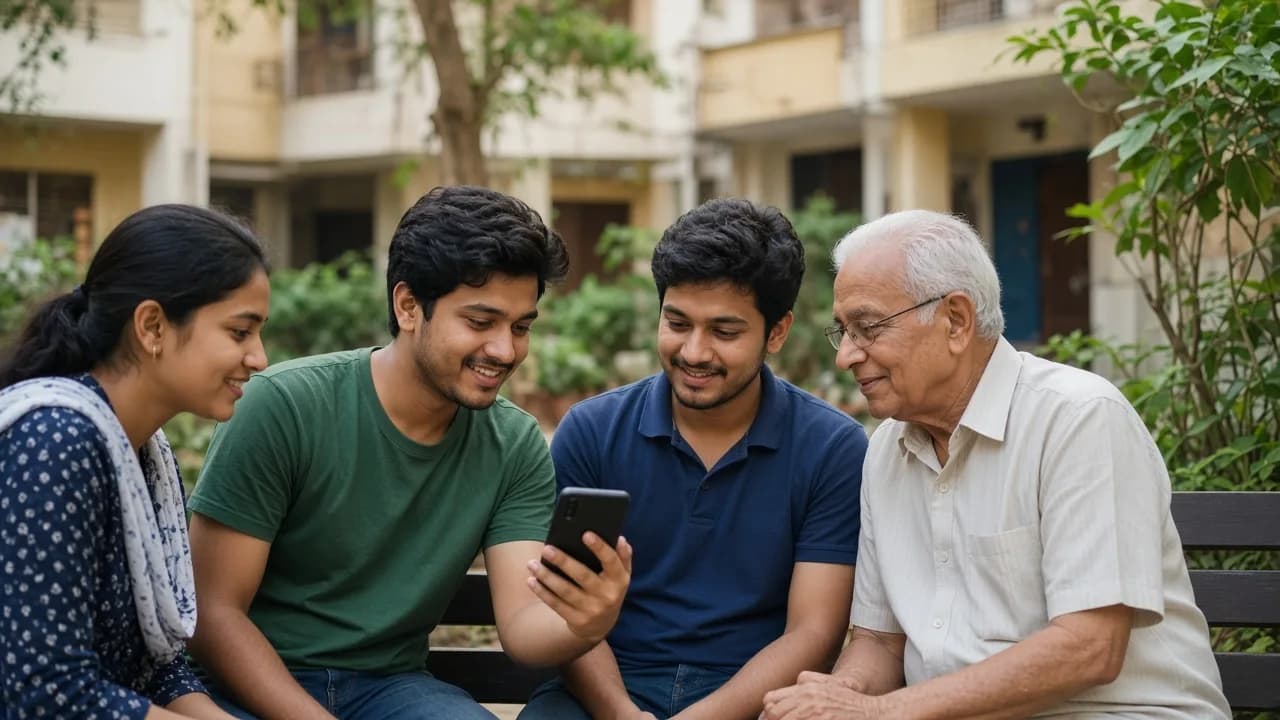
In a pioneering shift toward community policing in cyberspace, Kerala Police has initiated a grassroots public mobilization campaign, enlisting college students, National Cadet Corps (NCC) volunteers, NSS cadets, and retired professionals to form an extensive neighborhood-level Cyber Defense Force.
Rather than relying solely on centralized cyber cells and post-incident investigations, this decentralized model deploys trained volunteers directly into local residential associations, senior-citizen clubs, and panchayat wards. Their primary mandate: act as human firewalls against digital arrest calls, investment traps, fake parcel extortion, and money mule recruitment targeting vulnerable locals.
As digital crime syndicates evolve into organized interstate networks, community-level cyber literacy has become the first true line of defense. Here is how Kerala’s grassroots model operates and how citizens can implement the same peer-to-peer vigilance in their own neighborhoods.
1. The Decentralized Neighborhood Defense Architecture
Traditional policing often intervenes after money has already left the victim's account. The community cyber army model shifts the focus from damage control to early human intervention:
| Defense Tier | Community Volunteers | Core Operational Focus | Impact on Scam Prevention |
|---|---|---|---|
| Tier 1: Senior Shield | Retired bank officers, teachers, and civil servants. | Direct outreach to senior citizens, pensioners, and solitary residents. | Neutralizes fear-based digital arrest and fake pension KYC scams before funds move. |
| Tier 2: Campus Vigil | College students, NSS volunteers, and tech clubs. | Peer alerts on mule account scams, illegal loan apps, and fraudulent gaming tasks. | Prevents students and youth from selling their bank accounts for quick commissions. |
| Tier 3: Rapid Incident First-Aid | Ward-level cyber volunteers trained by police. | Immediate reporting via Helpline 1930 within the Golden Hours. | Accelerates transaction freeze requests before stolen amounts cross banking layers. |
2. Why Technical Education Must Reach the Grassroots
Recent interstate investigations have exposed that scammers rarely breach bank encryption directly. Instead, they exploit psychological vulnerabilities:
- Breaking the Isolation Bubble: Scammers operating digital arrest rackets command victims to stay isolated in closed rooms. When neighborhood volunteers conduct regular physical visits and community meetups, victims are far more likely to discuss suspicious calls rather than panic in silence.
- Demystifying Legal Intimidation: Volunteers teach ordinary residents that no law enforcement agency (CBI, ED, Customs, or Police) conducts trials or arrests over WhatsApp and Skype video calls.
- Combating Mule Recruitment: Students are alerted that allowing unknown cash deposits into their personal bank accounts or UPI IDs in exchange for a 5% commission is an offense punishable under the Bharatiya Nyaya Sanhita (BNS).
3. How to Set Up a Cyber Vigilance Group in Your Society
Residential Welfare Associations (RWAs), apartment societies, and local clubs across India can implement Kerala's model with four practical steps:
- Appoint Two Cyber Wardens: Designate one tech-aware student and one senior resident to track recent scam advisories issued by police and state cyber cells.
- Conduct Monthly 15-Minute Scam Audits: Review trending scam patterns during regular society meetings—focusing on electricity bill SMS frauds, fake stock trading WhatsApp groups, and bank APK lures.
- Establish a Neighborhood Verification Hotline: Ensure elderly residents know they can call a trusted neighbor or society warden before reacting to any threatening official-looking phone call.
- Distribute Emergency Numbers: Prominently display National Cyber Crime Helpline 1930 and portal cybercrime.gov.in contact details across society notice boards and community WhatsApp groups.
4. Immediate Action Checklist for High-Risk Calls
- Verify, Never Comply: If an unknown caller threatens disconnection of electricity, SIM deactivation, or an impending CBI warrant, hang up immediately.
- Walk Next Door: Before opening your banking app or transferring any funds, inform a family member, neighbor, or community warden.
- Act in the Golden Hours: If someone in your neighborhood has transferred money under duress, dial 1930 within 2 hours with transaction UTR numbers to initiate an inter-bank account freeze.
Reference & Source
- Programme details referenced from reporting by The New Indian Express and Kerala Police Cyberdome volunteer pathways at cyberdome.kerala.gov.in.
- Community reporting: cybercrime.gov.in · SIM audit: Sanchar Saathi.
Related Guides & Scam Breakdowns
Read next
Social Engineering
Why Growing Trust in Digital Payments Leaves Indians More Exposed to Cybercrime: The Convenience Paradox Explained

Social Engineering
Prayagraj Doctor Kept in 'Digital Arrest' for a Month, Duped of ₹1.78 Crore: The Modus Operandi & How to Break the Psychological Trap

Social Engineering