Why Growing Trust in Digital Payments Leaves Indians More Exposed to Cybercrime: The Convenience Paradox Explained
As UPI and instant digital payments become second nature in India, misplaced cognitive trust is exposing users to social engineering, fake QR traps, and unauthorized mandates. Learn how to stay secure.
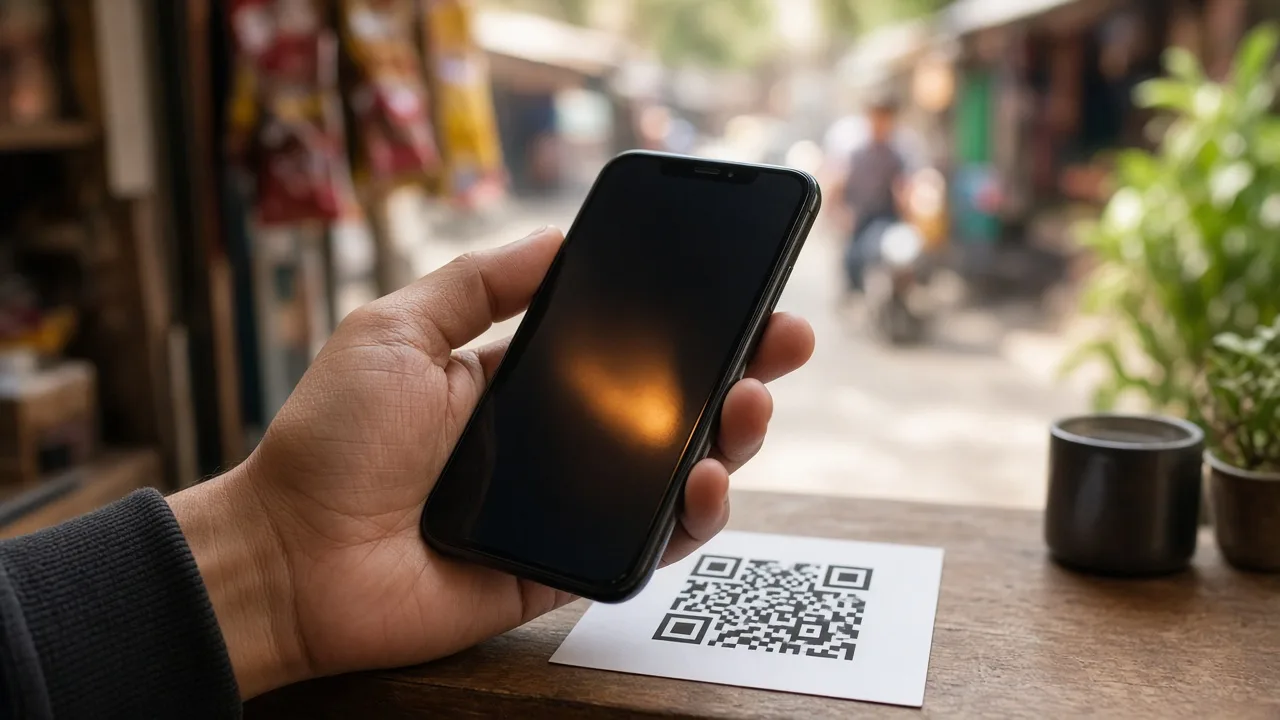
India's digital payment ecosystem has achieved unprecedented scale. From street vendors to major commercial establishments, the ubiquitous Unified Payments Interface (UPI) and instant mobile banking have replaced cash with frictionless, one-tap transactions.
However, this very ease of use has given rise to The Convenience Paradox: the faster and more routine an interface becomes, the less cognitive friction a user applies before authorizing an action. Scammers are no longer relying on complex mainframe hacks or core banking exploits; instead, they exploit the subconscious behavioral trust that millions of Indians have developed in payment screens and QR notifications.
Understanding how behavioral trust is weaponized is critical to safeguarding your personal finances in an instant-payment economy.
1. The Trust Shift: Technical Reliability vs. Behavioral Manipulation
In the early days of net banking, two-factor authentication (2FA) and delayed RTGS/NEFT approvals forced users to verify beneficiaries thoroughly. UPI streamlined this into a five-second interaction. Scammers capitalize on this rapid habituation:
| Scam Vector | The Illusion of Trust | The Scammer's Exploitation | What the Victim Misses |
|---|---|---|---|
| Reverse QR Code Trap | Attacker sends a QR code claiming: "Scan this QR code to receive your refund or cashback." | UPI mandates that scanning a QR and entering a PIN only debits money, never credits it. | Habitual speed blinds the user to the prompt asking for their 4- or 6-digit MPIN. |
| Auto-Pay Mandate Spoofing | Disguised as a utility discount or verification fee of ₹1. | Hides a recurring auto-debit mandate of ₹5,000 to ₹15,000 behind the initial micropayment. | The approval screen lists a recurring standing instruction rather than a one-time payment. |
| Simulated Payment Confirmation | Fraudulent buyer displays a fake payment app screen with an authentic audio ping sound box. | Visual confirmation spoofing with zero real-time settlement in the merchant’s account. | Merchant relies on the buyer's screen instead of checking their own bank SMS or merchant dashboard. |
| Split-Payment Social Engineering | Scammer asks victim to initiate an exploratory transfer of ₹10 to "unlock the system." | Escalates immediately to large transfers once initial resistance is lowered. | Sunk cost bias and cognitive momentum take over before the victim pauses to verify. |
When fraudsters siphon money via fake QR codes or unauthorized mandates, they immediately route the stolen sums through multi-layered money mule networks to obscure the digital trail.
2. Why Convenience Lowers Everyday Vigilance
The psychological mechanics behind digital payment fraud center around three behavioral triggers:
- Muscle Memory and Auto-Piloting: Because we make dozens of small UPI transfers weekly, entering an MPIN becomes an automatic, subconscious reflex rather than a deliberate security check.
- Authority Transfer to the App: Because users trust payment apps like PhonePe, Google Pay, or Paytm, they mistakenly assume that any prompt originating inside the app ecosystem has been pre-vetted and is intrinsically safe.
- The Scent of Instant Settlement: Fraudsters intentionally introduce severe time pressure—"Cashback expires in 90 seconds" or "Payment link is only active for 2 minutes"—forcing users to skip basic verification steps.
3. Four Golden Rules for Digital Payment Safety
- The Golden UPI Rule: You NEVER need to enter your UPI PIN to receive money. Any request that asks for an MPIN or biometric authentication will always take money out of your account.
- Audit Active Autopay Mandates: Regularly open your UPI application settings, navigate to Autopay / Mandates, and cancel any pre-authorized recurring debits that you do not actively recognize.
- Verify on Your Own Screen Only: If you run a small business or sell items online (e.g., on OLX or Facebook Marketplace), never trust a screenshot, SMS shown by the customer, or simulated speaker box sounds. Confirm the credit balance inside your own banking or merchant portal first.
- Set Transaction Limits: Lower your daily UPI transaction ceiling through your bank's mobile app. Keep savings in a primary account that is not linked to your daily UPI apps, and use a dedicated secondary account with modest balances for street transactions.
4. What to Do If Funds Are Debited Fraudulently
- Golden Hours Action (Helpline 1930): If an unauthorized debit occurs, call the National Cyber Crime Helpline (1930) within the first 2 hours (recovery protocol guide). Providing the UTR reference number and recipient UPI ID allows authorities to trigger immediate inter-bank settlement holds.
- Raise an In-App Dispute: File a dispute immediately within the UPI application (Payment Issue → Report Fraud), flagging the transaction as an unauthorized debit.
- Freeze UPI Services: Contact your bank’s 24/7 hotline and request a temporary block on the UPI handle linked to your account to prevent follow-up attempts.
- File on Cybercrime.gov.in: Lodge a formal complaint at cybercrime.gov.in with transaction screenshots and chat logs to establish an official case record.
Reference & Source
- Payment-safety and consumer-liability framing aligned with guidance from the Reserve Bank of India and the National Cyber Crime Reporting Portal.
- For SIM-linked payment risk, audit connections on Sanchar Saathi.
Related Guides & Scam Breakdowns
Read next

Social Engineering
Kerala Enlists Students & Retired Hands to Fight Cybercrime: How Community Cyber Defense Works & Why Your Ward Needs It

Social Engineering
Prayagraj Doctor Kept in 'Digital Arrest' for a Month, Duped of ₹1.78 Crore: The Modus Operandi & How to Break the Psychological Trap

Social Engineering